
COPD Management & Lifestyle
Jan 26, 2026
COPD Management & Lifestyle
By:
Stacy K.
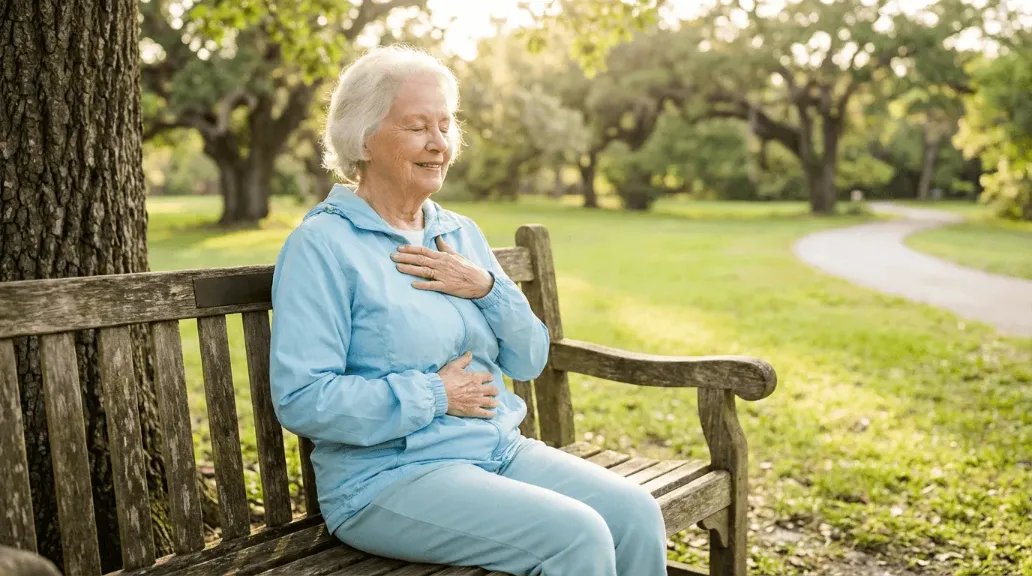
Master COPD breathing exercises in 10 minutes: pursed-lip, diaphragmatic, and coordinated breathing. Learn simple techniques to reduce shortness of breath, strengthen lungs, and feel better daily.
Breathing exercises are the #1 self-management tool for controlling daily COPD symptoms, offering quick relief without equipment. The most effective techniques are: pursed-lip breathing, diaphragmatic (belly) breathing, and coordinated breathing.
Easy to do at home, at work, or while traveling, these simple exercises slow your breathing, reduce air trapping, and strengthen your breathing muscles, giving you immediate control during shortness of breath.
While these exercises are safe and effective, remember these important safety guidelines. Stop if you feel dizzy or have chest pain, and always keep your rescue inhaler nearby when practicing. These exercises are meant to complement your prescribed medications, not replace them.
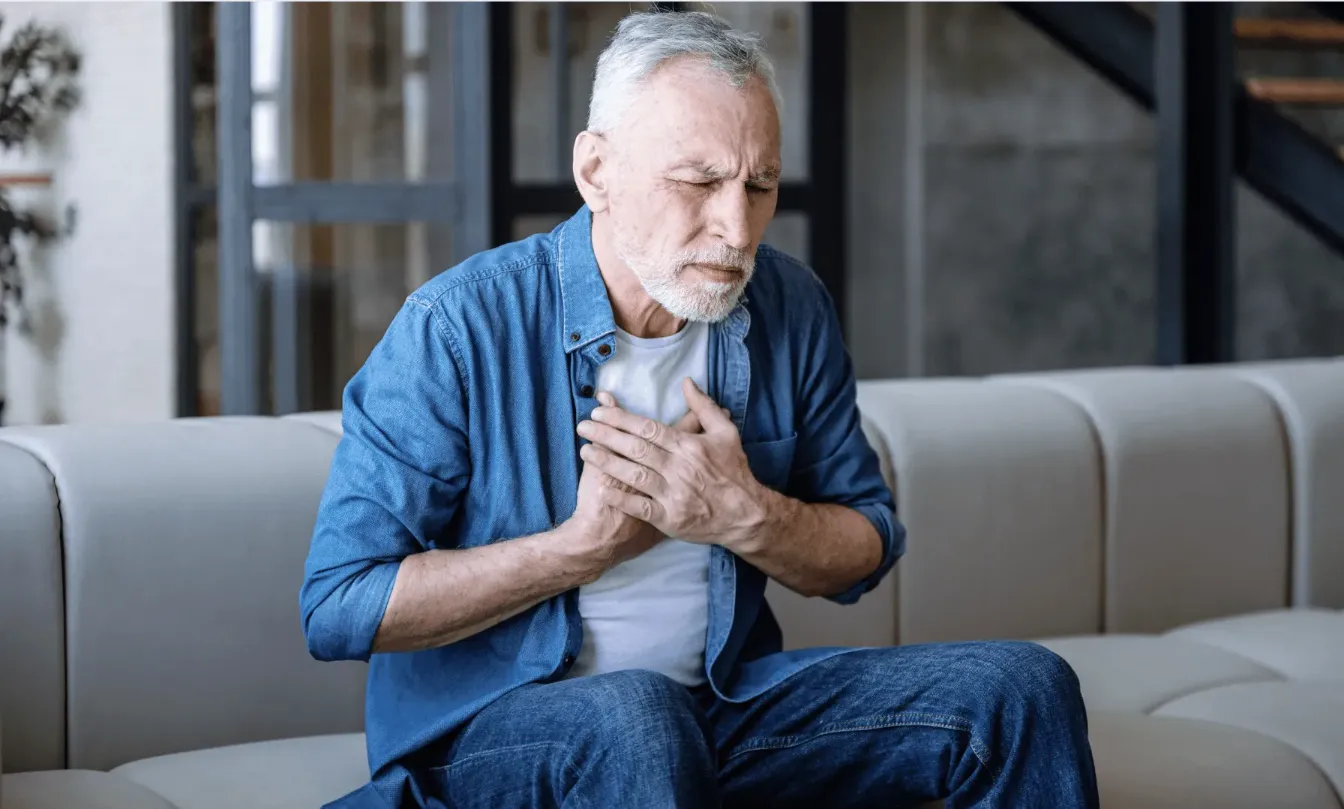
When you have chronic obstructive pulmonary disease (COPD), the airways in your lungs narrow and lose their elasticity, making it harder for the old, stale air to exit. This leads to air trapping, forcing you to take shallow, rapid breaths with the less-efficient muscles in your neck and shoulders rather than your powerful diaphragm.
Breathing exercises for COPD help:
Slow breathing rate—Calmer, slower breathing maximizes the exchange of oxygen and carbon dioxide.
Strengthen the diaphragm—They retrain your main breathing muscle to work more efficiently, saving energy.
Keep airways open longer—These techniques prevent your airways from collapsing too soon to exhale.
Release trapped air—Removing old air makes room for fresh, oxygen-rich air.
Another benefit of COPD breathing exercises? They give you more control. Practicing every day builds confidence, making you less anxious when breathlessness occurs.
Mastering these exercises means integrating them into your daily life for prevention and immediate relief.
Daily practice—Do the full 10-minute routine every morning and evening.
Before activities—Use diaphragmatic or pursed-lip breathing before tasks like climbing stairs or lifting heavy objects.
During breathlessness—Pursed-lip breathing is your emergency go-to exercise.
Anytime, anywhere—The beauty of these techniques is their portability. Use them in the car, at a restaurant, or while waiting in line.
With consistent use, these techniques can become automatic habits that improve your comfort and quality of life.
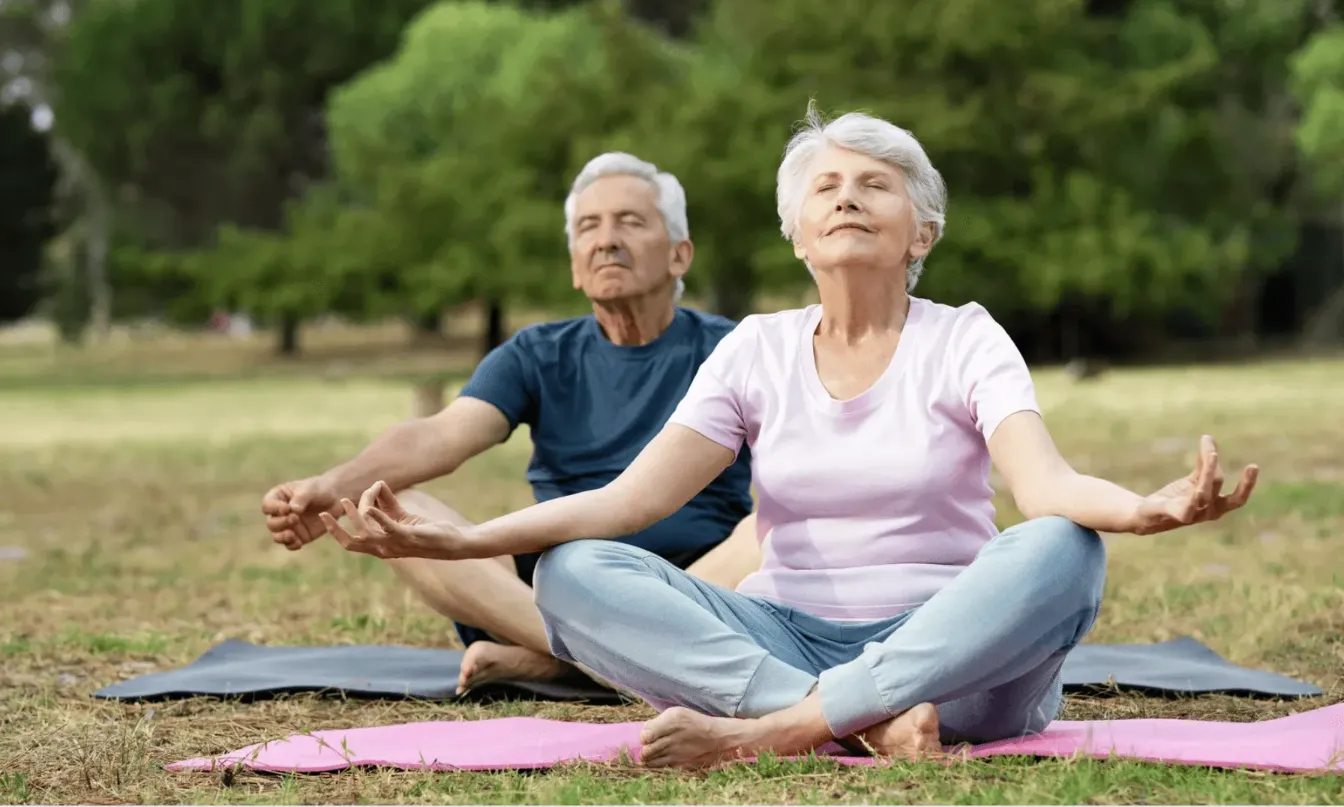
This easy-to-follow 10-minute routine focuses on four key techniques. Aim to do these twice a day: once in the morning, and once at night, in a sitting or lying position. You can also use the individual exercises as needed throughout your day.
This is the most important technique for COPD symptoms. It creates a slight back-pressure that keeps your airways open longer when exhaling. That allows stale air to escape and gives you immediate COPD shortness of breath relief.
How to do:
Relax: Sit comfortably and relax your neck and shoulder muscles.
Inhale: Breathe in slowly through your nose for a count of two. (Do not take a deep, gasping breath. A normal breath is fine.)
Purse: Pucker or purse your lips as if you’re going to whistle gently or blow out a candle.
Exhale: Slowly breathe out through your pursed lips for a count of four (or longer). Don’t force the air out. Instead, let it flow out gently.
Repeat: Continue this cycle for three minutes.
Pro Tip: Use this technique whenever you are short of breath or doing an activity. Practice it until the 1:2 ratio feels normal.
Also known as belly breathing, this technique retrains the diaphragm, the powerful, dome-shaped muscle beneath your lungs, to do the majority of the work. This reduces tension on your upper chest and neck muscles, improves oxygen exchange, and makes breathing more efficient.
How to do:
Choose a position: Sit or lie down with your knees bent and head supported.
Position your hands: Place one hand on your upper chest and the other on your belly, just below your ribcage.
Inhale: Breathe in slowly through your nose. The hand on your belly should rise while the hand on your chest remains still.
Exhale: Breathe out slowly through pursed lips (as in pursed-lip breathing). The hand on your belly should fall and move inward.
Practice: Do 5-10 controlled breaths, rest for one minute, and then repeat for four minutes total.
Pro Tip: Your belly should be moving, not your chest. Also, focus on exhaling twice as long as you inhale. This exercise takes time, so be patient. It can take 2-3 weeks of practice before it feels natural and automatic.
Now it’s time to apply breathing techniques to everyday activities. This exercise matches your breathing patterns to your movements to prevent breathlessness before it starts. It also helps to conserve energy and reduce anxiety in the moment.
During coordinated breathing, you will breathe IN before effort and breathe OUT during effort using the pursed-lip technique.
Try these practice exercises to master coordinated breathing:
Breathe In | Breathe Out | |
Sit-to-stand | While sitting and standing | While rising and lowering |
Arm raises | While your arms are at your sides and lowering | While raising arms overhead |
Climbing stairs: Exhale (pursed-lip) on the step up.
Dressing: Exhale (pursed-lip) while pulling on clothes.
Lifting: Exhale (pursed-lip) while picking up or setting down an object.
Box breathing, or four-square breathing, is a simple, rhythmic pattern primarily used to slow rapid breathing. By creating a focus and a rhythm, you can calm the nervous system and reduce panic or anxiety.
How to do:
Breathe in slowly for four counts.
HOLD the breath for four counts.
Breathe out slowly (pursed-lip) for four counts.
HOLD the breath (lungs empty) for four counts.
Repeat 3-4 times.
Pro Tip: When new to COPD exercises, feel free to skip holds if they’re difficult. You can also start with three counts instead of four. Use this technique when you’re feeling anxious, before stressful situations, or as a tool to help you fall asleep.
Knowing what to do when you’re suddenly feeling breathless is crucial for regaining control and reducing panic.
For sudden shortness of breath:
STOP the activity immediately.
Move into a forward-leaning position (see below).
Immediately begin pursed-lip breathing.
Continue until your breathing improves.
Use your rescue inhaler if breathing does not improve.
Forward-leaning (sitting): Sit in a chair, lean forward slightly, and rest your forearms on your thighs or a table. Relax your shoulders.
Forward-leaning (standing): Stand facing a wall or stable surface (like a kitchen counter). Place your hands on the surface, lean forward, and relax your head and shoulders.
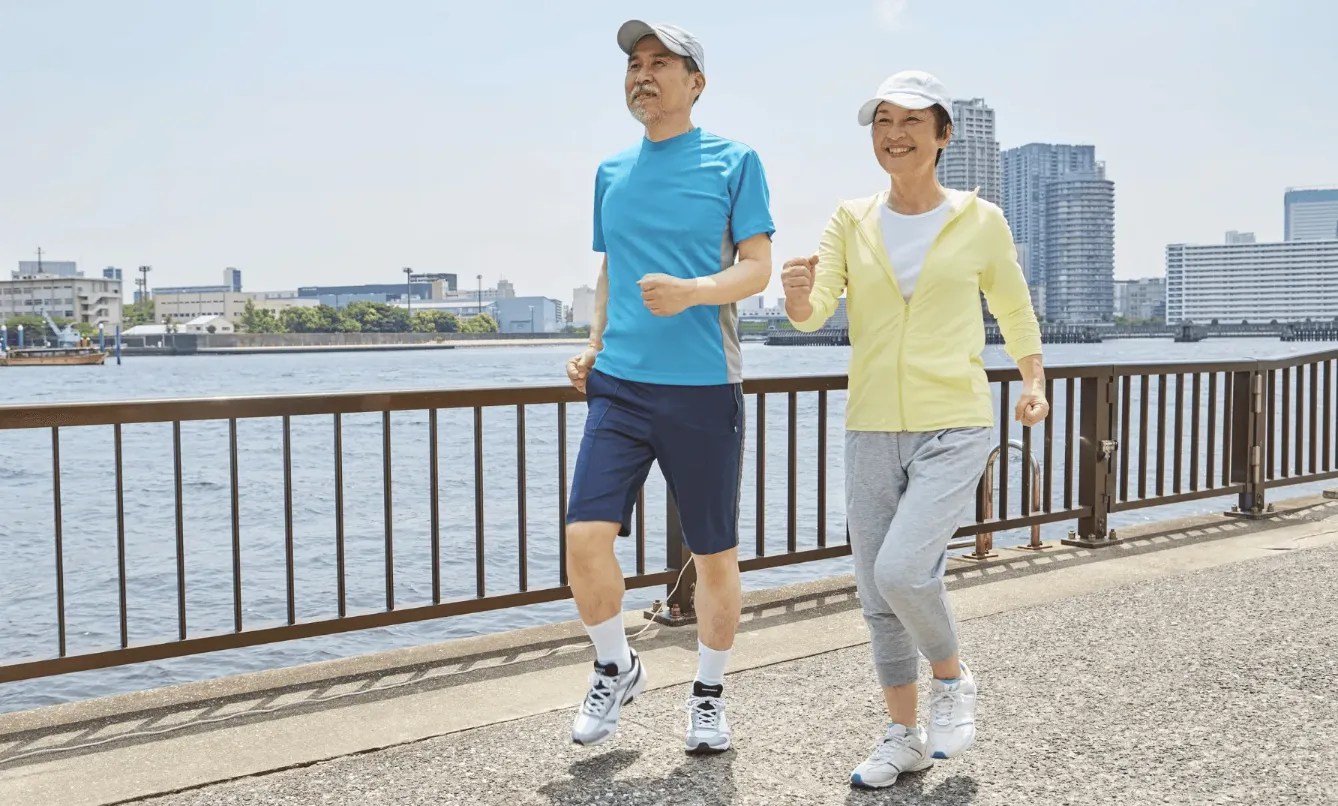
Walking: Find your walking rhythm: IN for two steps, OUT for four steps (or IN for one, OUT for two). Always use pursed-lip breathing while walking, and rest as needed.
Climbing stairs: Use coordinated breathing. Pause and use pursed-lip breathing on landings. Breathe OUT (pursed-lip) while stepping up.
Before exercise: Practice diaphragmatic breathing for two to three minutes before starting.
Eating: Take small bites and breathe between them.
Daily tasks: Exhale when reaching, bending, or pulling on clothes.
When it comes to COPD breathing exercises, consistency is key. Set a goal to complete two daily 10-minute sessions, and use the techniques throughout the day as needed. Here’s a handy schedule to get started.
Time | Routine | Notes |
Morning (10 minutes) |
| Best done upon waking or before breakfast |
Evening (10 minutes) | Same as morning routine. | Best done 30 minutes before sleep (can be done in bed). |
Throughout the day |
| Make it a habit with reminders. |
Follow this progressive timeline to integrate and master your breathing techniques.
Weeks 1-2: Focus only on pursed-pip breathing. Practice it morning and evening, and use it during all activities.
Weeks 3-4: Introduce the full 10-minute routine twice daily. Diaphragmatic breathing should start to feel more natural.
Month 2+: The techniques become automatic. You’ll notice less breathlessness, and activities will be easier.
Keep in mind, everyone progresses differently. Focus more on consistency and less on the calendar. Over time, you’ll see—and feel—the results of your dedication.
As you practice these safe and effective COPD management techniques, be sure to pay attention to your body and never push past discomfort.
Before starting:
Consult your healthcare provider for personalized guidance.
Always keep your rescue inhaler nearby.
Start slowly. Don’t try to force deep breaths at first.
Stop if you experience:
Severe dizziness or lightheadedness.
Chest pain or pressure.
Irregular heartbeat.
Extreme shortness of breath.
Call 911 if you cannot catch your breath even with pursed-lip breathing, experience severe chest pain, blue lips or fingernails, or extreme confusion.
For many people living with COPD, making these exercises a part of daily life is the biggest hurdle to relief. Here are a few tips to help you succeed.
To make it a habit:
Set two daily alarms on your phone (morning and evening.
Pair the practice with an existing habit, like while waiting for your coffee to brew or watching TV commercials.
Post the pursed-lip instructions nearby, like on your fridge, bulletin board, or nightstand.
It’s common to face obstacles when starting a new routine. Here are practical solutions to overcome them.
Challenge | Solution |
I forget to practice. | Set two non-negotiable alarms. Ask a family member to remind you. |
It feels awkward. | This is normal! Focus on one technique until it feels natural before moving on. |
I don't have 10 minutes. | Use the time you do have. Even two minutes of focused, pursed-lip breathing helps significantly. |
I'm not sure I'm doing it right. | Ask your doctor or respiratory therapist for a demonstration. Consider enrolling in a pulmonary rehabilitation program. |
You’ll know you’re making progress when the COPD breathing exercises become more comfortable and automatic. You’ll notice less breathlessness during daily activities and will reach for your rescue inhaler less often.
What is the most important breathing exercise for COPD?
Pursed-lip breathing is the most critical technique, because it immediately helps slow your breathing and prevents your airways from collapsing, allowing trapped air to exit the lungs.
How often should I do COPD breathing exercises?
Try to do the full 10-minute routines twice a day, morning and evening. You can also use the individual techniques, especially pursed-lip and coordinated breathing, throughout the day as needed.
When should I use pursed-lip breathing?
Use this technique immediately whenever you feel short of breath, during all physical activities, and during your daily practice sessions.
How long before I see improvement?
Most people notice a difference in their sense of control and anxiety within two weeks. But it can take 4-8 weeks of consistent practice for the diaphragm to strengthen and for activities to become noticeably easier.
Can I do these exercises during a COPD flare-up?
Yes. You can use pursed-lip breathing to help slow your breathing during a flare-up. However, if you are experiencing an acute, severe episode, you must stop, rest, use your rescue inhaler, and seek medical attention if needed.
What if breathing exercises make me dizzy?
If you feel dizzy or lightheaded, it means you are breathing too deeply or too fast. Stop immediately and rest. When you resume, take smaller, shallower inhales and breathe out more slowly.
Should I do breathing exercises before or after using my inhaler?
It’s generally best to use your bronchodilator inhaler before your practice routine. The medication helps open your airways, making the breathing exercise more effective.
Congratulations! You now have the skills and knowledge to take control of your breathing. These techniques are the key to managing COPD and feeling better. For best results, just remember to create a small habit—a 10-minute routine twice daily—and always do pursed-lip breathing whenever you feel short of breath. With consistency, you’ll begin to feel the difference in your energy and confidence.
Related Articles