About COPD
Jan 26, 2026

Confused about asthma vs. COPD? Learn key differences in symptoms, causes, and age of onset. Discover when to get tested, what spirometry reveals, and how early diagnosis improves your breathing.
Asthma and COPD are often confused because they share common symptoms, including coughing, wheezing, and shortness of breath. However, there are important differences between the two.
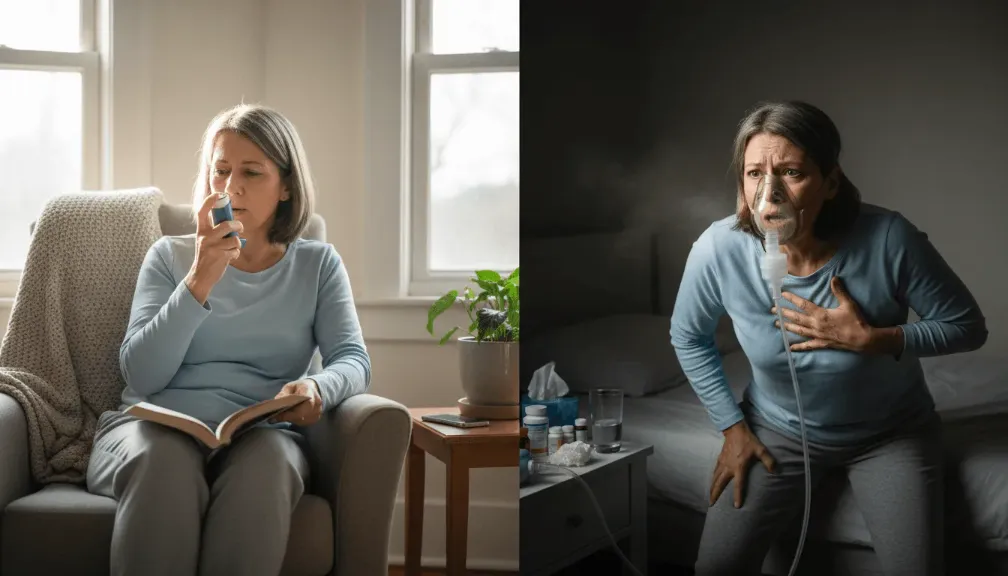
Asthma usually involves temporary, reversible episodes of airway narrowing, often triggered by allergens or physical activity. In contrast, COPD causes persistent, progressive lung damage, most often linked to smoking or long-term exposure to irritants.
This guide will help you recognize the signs of each condition and understand when it’s essential to seek professional testing for breathing problems.
Asthma is a chronic inflammatory condition where the airways become sensitive and narrow during flare-ups. During an asthma episode, the muscles around your airways tighten, the lining swells, and mucus builds up. This combination can make it temporarily hard to breathe.
Common asthma triggers include:
Pollen
Pet dander
Cold air
Exercise
Respiratory infections
Because symptoms come and go, it can be hard to notice a problem if you feel fine between asthma attacks.
Asthma can start at any age, but it often occurs in childhood or early adulthood. People with asthma may find rapid relief with rescue inhalers, while long-term medications can help prevent future episodes. Managing triggers is important, and avoiding known allergens or environmental irritants can significantly reduce attacks.
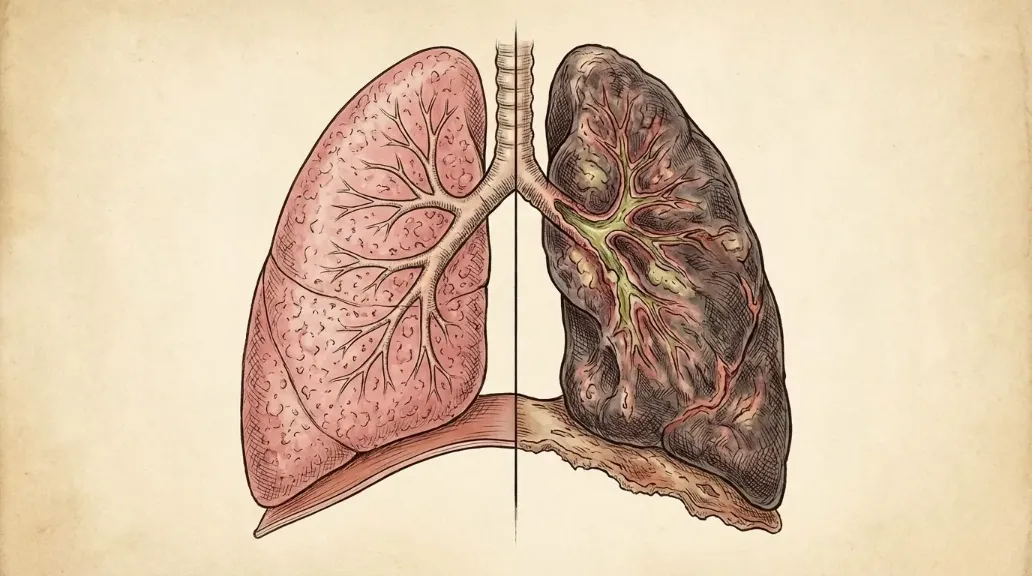
Chronic obstructive pulmonary disease (COPD) is an umbrella term for progressive lung conditions, most commonly chronic bronchitis and emphysema. With COPD, the airways are persistently inflamed and damaged, while the tiny sacs (alveoli) become less elastic, making it harder to push air out of the lungs.
The leading cause of COPD is long-term exposure to lung irritants, especially cigarette smoke. Exposure to dust, fumes, and certain chemicals, along with rare genetic factors, can also contribute. COPD is typically diagnosed after age 40, and it gradually worsens over time.
COPD symptoms may include:
Chronic cough
Frequent mucus production
Breathlessness during routine activities
Wheezing
Unlike asthma, these symptoms are persistent, and even with treatment, lung damage tends to progress. However, medications and lifestyle changes may help slow this decline.
Feature | Asthma | COPD |
Typical age of onset | Any age, often childhood or early adulthood | Usually 40+ |
Primary cause/risk factors | Genetics, allergies, and environmental triggers | Smoking, long-term pollutant exposure, and sometimes genetics |
Symptom patterns | Episodic, triggered by allergens, exercise, or infections | Persistent, progressive, daily impact |
Reversibility | Often reversible with inhalers | Largely irreversible, worsens over time |
Response to treatment | Rapid relief from rescue inhalers, controlled with long-term medications | Treatment slows progression but cannot fully reverse lung damage |
Asthma and COPD symptoms are surprisingly similar. Both can cause wheezing, shortness of breath, and coughing. In fact, some individuals have features of both conditions, known as asthma-COPD overlap syndrome (ACOS).
A long history of smoking in someone with asthma can also complicate a diagnosis. Because of these overlaps, self-diagnosing based on symptoms alone is unreliable. Professional testing is the only way to confirm which condition you may have, or if you have elements of both.
Paying attention to your symptoms will provide helpful clues about which condition you may be experiencing.
Signs that suggest asthma:
Asthma often begins in childhood or early adulthood.
Symptoms generally come and go instead of being constant.
Clear triggers, like pollen, pets, or exercise, tend to bring on episodes.
A family history of asthma or allergies can increase the likelihood of developing the condition.
During flare-ups, rescue inhalers provide quick relief.
Signs that suggest COPD:
COPD most often develops in people over 40 who have a history of smoking or long-term exposure to lung irritants.
Symptoms are usually daily and persistent.
The condition tends to get worse over time.
A morning cough accompanied by mucus is a common symptom.
Activities that were once easy now cause noticeable breathlessness.
Noticing these patterns can help guide conversations with your healthcare provider—although testing is the only way to confirm a diagnosis.
Knowing when to seek professional evaluation is critical. Paying attention to warning signs can help you get timely care and prevent complications.
Consider testing soon if:
You’ve had symptoms for several weeks.
Over-the-counter remedies provide little relief.
Breathlessness interferes with daily life.
A chronic cough lasts three months or more.
You experience regular wheezing.
Breathing difficulties are keeping you awake at night.
Seek immediate medical attention if:
You have severe difficulty breathing.
You notice blue lips or fingernails.
You have chest pain and breathing difficulty.
You experience confusion or extreme fatigue with breathlessness.
You’re unable to speak full sentences due to shortness of breath.
If any of these symptoms sound familiar, don’t wait. Reaching out to a healthcare professional is the safest and smartest next step for your health and well-being.
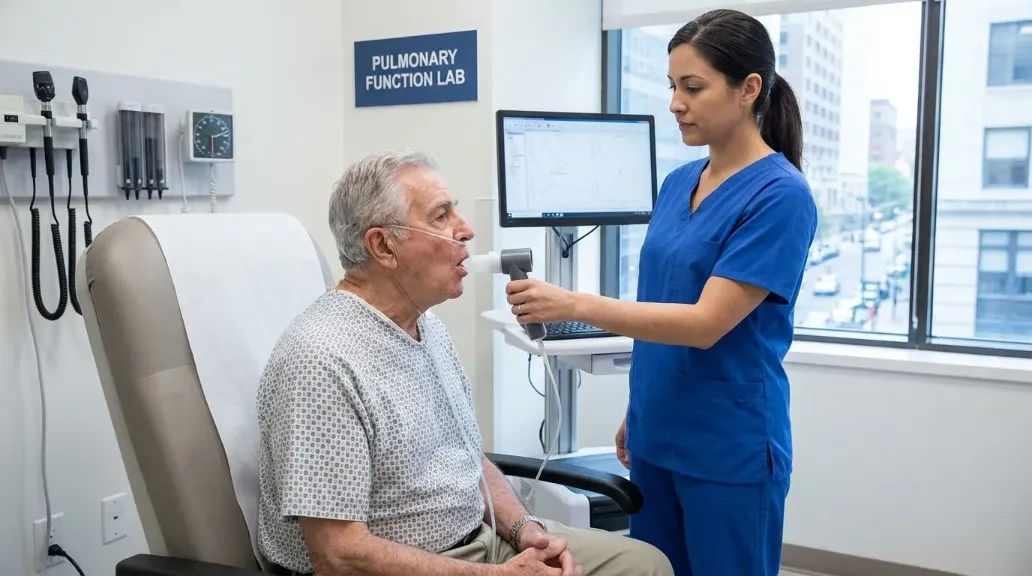
At your appointment, the doctor will usually begin by reviewing your medical history. Next, you’ll likely undergo spirometry, a breathing test to measure airflow and lung function. Depending on your symptoms, additional tests, such as chest X-rays or blood work, may be recommended to help confirm a diagnosis.
Ignoring persistent breathing problems can have consequences. Untreated asthma can lead to severe attacks or long-term airway changes. Untreated COPD can cause accelerated lung damage and reduced quality of life.
The good news: early intervention often significantly improves outcomes. Proper treatment, lifestyle changes, and trigger management can make breathing easier, helping you keep up with daily activities. A professional evaluation is the first step toward feeling better—and breathing easier.
Yes, it’s possible. Some people exhibit features of both conditions, known as asthma-COPD overlap syndrome (ACOS). Proper testing is needed to diagnose and determine the best course of treatment.
Asthma itself does not become COPD. But long-term uncontrolled asthma, especially in smokers, may contribute to chronic lung changes that resemble COPD.
COPD usually develops in people over 40, often after decades of exposure to lung irritants.
Spirometry is the main test to measure how much and how fast you can exhale air from your lungs. Healthcare providers may also use imaging, allergy tests, and medical history to distinguish between the conditions.
Possibly. Primary care doctors can diagnose and manage many cases, but pulmonologists or asthma specialists may be beneficial for more complex or severe symptoms.
No. COPD cannot be reversed. However, medications, pulmonary rehabilitation, and lifestyle changes can slow progression and improve quality of life.
Yes. Prolonged exposure to pollutants, occupational irritants, and rare genetic conditions like alpha-1 antitrypsin deficiency can cause COPD.
Asthma and COPD are both serious—but manageable—conditions. Because their symptoms often overlap, professional testing is essential. Trying to self-diagnose can lead to missed opportunities for effective treatment.
If you recognize any of the symptoms described here, schedule an appointment with your doctor for spirometry testing. Early diagnosis allows for better management, improved quality of life, and greater peace of mind. Taking this simple step can make breathing easier and daily life more comfortable.
Related Articles