About COPD
Jan 26, 2026

Discover common COPD complications: lung infections, heart problems, and mental health risks. Learn prevention strategies including vaccines, lifestyle changes, and early warning signs to manage symptoms.
Chronic obstructive pulmonary disease (COPD) doesn’t just affect how easily you breathe—it can influence nearly every part of your health. Over time, this progressive lung disease can raise the risk of serious complications, from frequent respiratory infections to heart problems and sudden acute exacerbation (flare-ups) that impact daily life. It’s a reality many patients face, and the consequences can feel overwhelming.
Fortunately, there is hope for individuals dealing with this condition: with the right strategies, many COPD complications are preventable—or at least manageable. By understanding what to look out for and taking proactive steps, patients can safeguard their health, reduce flare-ups, and maintain a better quality of life.
In this post, we’ll break down the most common COPD complications and share practical ways to stay ahead of them.
While many patients have preexisting health conditions that can further complicate their COPD (comorbidities such as diabetes or other respiratory conditions), it is also possible for COPD to cause or increase the prevalence of certain health conditions.
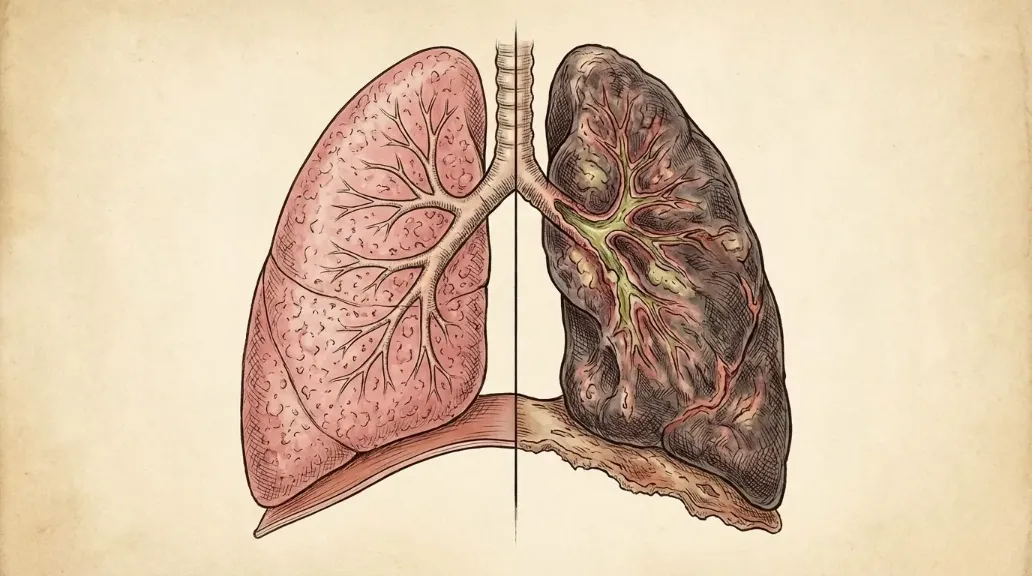
Individuals with COPD suffer from chronic inflammation and mucus buildup within the airway and air sacs, which can cause tissue damage, trap bacteria, build scar tissue,
restrict oxygen levels, and put more strain on the body (such as the lungs, heart, and blood vessels) as patients struggle to breathe freely. These issues can lead to conditions and diseases that can impact patients temporarily or permanently.
This is why it’s so important for patients to be aware of how COPD affects their bodies, remain vigilant of potential symptoms for other conditions, and take steps to prevent or mitigate additional complications whenever possible.
Lung risks | Pneumonia and other lung infections High blood pressure in the lungs’ arteries (pulmonary hypertension) Collapsed lung (pneumothorax) Unbalanced gas exchange (oxygen and carbon dioxide) Respiratory failure Other lung diseases, such as lung cancer | COPD damages alveoli (the air sacs responsible for oxygen exchange), thickens airway walls, narrows airways, and allows mucus to build up. This impacts how the lungs function and can cause issues such as difficulty breathing and the lung rupturing or failing to work properly. COPD can increase the likelihood of respiratory failure or other forms of lung disease. A large retrospective study of patients with lung cancer showed that people with COPD are four to six times more likely to develop lung cancer, independent of smoking history, age, and sex. |
Heart risks | Irregular heart rhythm (atrial fibrillation, or AFib) Right-sided heart failure (cor pulmonale) Heart disease (coronary artery disease and heart attack) | Inflammation in the lungs and reduced oxygen levels from COPD can cause the heart to beat irregularly. High blood pressure in the lungs’ arteries (pulmonary hypertension) can damage blood vessels and force the right side of the heart to work harder, potentially causing heart failure. Additionally, COPD patients may be at risk of heart disease and heart attack due to plaque buildup from damaged blood vessels. |
Mental health risks | Depression Anxiety Increased risk of dementia | COPD patients have been found to have higher rates of depression and anxiety than the general population and even patients with other chronic comorbid conditions. The sensation of shortness of breath (or dyspnea) can cause feelings of panic in COPD patients. Additionally, people with COPD may experience feelings of social isolation due to their physical restrictions. Studies have also linked COPD to a higher risk of dementia. |
Other physical risks | Weakened bones (osteoporosis) Muscle deterioration (causing weakness of limbs) Weight loss and malnutrition Fluid retention and swelling in the legs, ankles, or feet (edema) | Systemic inflammation, low oxygen levels, vitamin D deficiency, and other common symptoms of COPD can cause loss of bone density. COPD patients also tend to suffer from muscle weakness and deterioration, which can further complicate the ability to exercise. Affected blood circulation and issues like pulmonary hypertension or a right-sided heart failure can cause COPD patients to suffer from fluid buildup and swelling of their legs, ankles, and feet, also known as edema. |
As a COPD patient, there are steps you can take to reduce your chances of developing additional health complications, or at least keeping these complications at bay for as long as possible. This requires a holistic defense plan that requires you to implement a variety of actions and habits that properly support your health and breathing.
Vaccinations: Conditions such as the flu, whooping cough, respiratory syncytial virus (RSV), and pneumonia can be much more severe and even life-threatening for people with COPD, so it’s important to be proactive and get vaccinated for these illnesses.
Medications and therapies: By keeping up with treatments and therapies recommended by your doctor (inhalers, steroids, antibiotics, oxygen therapy, etc.), you can better manage your symptoms and prevent or lessen flare-ups. This helps reduce strain on your lungs, heart, and other parts of your body and lower your chances of developing additional health complications.
Medical screenings: Regular health screenings can help you stay informed about the progression of your COPD and detect other health complications early. A few common screenings for COPD patients include:
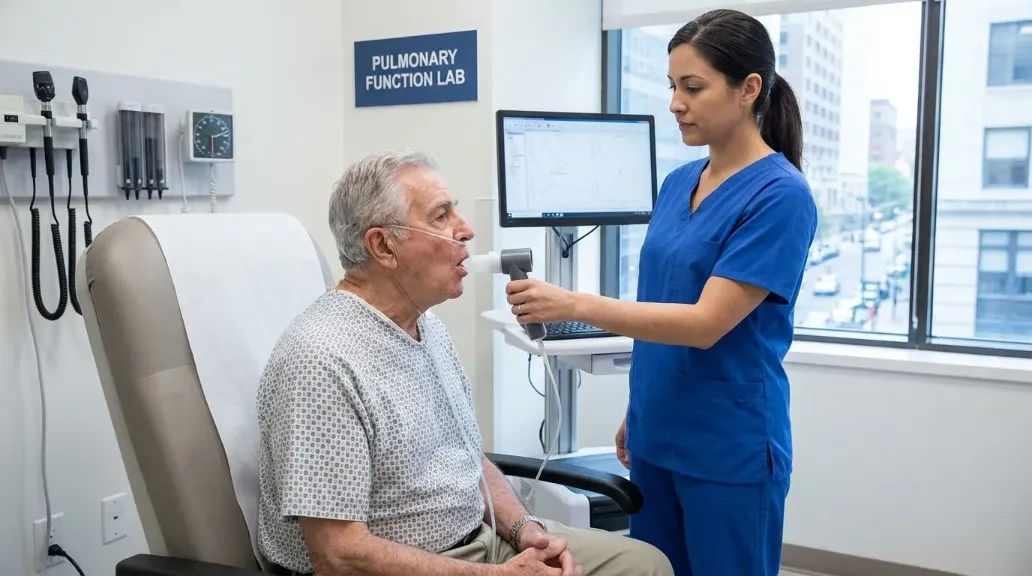
Spirometry tests: Measuring lung capacity and function and often used to diagnose and monitor COPD
Dual-energy x-ray absorptiometry (DEXA) scans: Low-dose x-ray measuring bone density
Pulmonary imaging tests: Chest x-rays and CAT scans used to monitor the lungs and the progression of COPD
Pulse oximetry tests: Measuring the amount of oxygen in your blood
Exercise stress tests: Monitors lung and heart function while the patient is exercising on a treadmill or stationary bike
Lab test: Blood tests used to measure arterial blood gas analysis, detect alpha-1-antitrypsin deficiency (AATD), or screen for other conditions
Ongoing healthcare: It’s important to stay on top of regular checkups and follow-up visits with your doctor so you can spot potential complications early and maintain optimal health.
A nutritious diet: When you have COPD, your body requires more energy for breathing–in fact, your muscles may need up to 10 times more calories than someone without your condition. That’s why it’s important to consume the right amount of complex carbohydrates, fats, and proteins. The American Lung Association recommends a diet with less carbs and more fats to support better breathing. Check out the American Lung Association’s nutrition recommendations for people with COPD. You should also discuss your diet with your doctor or nutritionist.
Proper hydration: Drinking plenty of water can help thin your mucus, which is better for your breathing. A good rule of thumb is to drink six to eight glasses of water each day (with each glass containing 8 fluid ounces).
Movement: Regular exercise can boost your cardiovascular health, strengthen your muscles, improve your body’s use of oxygen, improve sleep, enhance your mood, and support your breathing. According to the American Lung Association, COPD patients can especially benefit from stretching, aerobic exercise, resistance training, and pulmonary rehabilitation programs, though it’s important to consult with your doctor about what types of exercises your body can handle.
Clear air and environment: As a COPD patient, you should be mindful of your environment, as air pollutants like smoke, dust, mold, pollen, and pet dander can get into the lungs and worsen your symptoms. Take steps to ensure you’re breathing clear air, such as not smoking and avoiding second-hand smoke, staying indoors when air quality levels of are low, wearing a N95 particle mask in smoky or dusty conditions, avoiding burning things indoors (e.g., incense, candles, and wood stoves), and more. Get more tips from the American Lung Association.
While keeping up with your scheduled doctor visits is important, the best defense you have for controlling your COPD is to monitor your symptoms daily and take action when needed.
Here’s the University of Maryland Medical System’s breakdown of the COPD zone system and the recommended action for each category.
Zone | Signs or Symptoms: | Recommended Action: |
Green |
| Your COPD is under control. No action is necessary. |
Yellow |
| Take action today. Call your doctor or nurse practitioner within 24 hours. |
Red Zone |
| Take action immediately or call 911. |
While this information can be followed as general guidance, it’s important to consult with your doctor to create a personalized action plan based on your unique needs. It’s also helpful to regularly monitor your oxygen levels (ideally two to three times a day) at home using a pulse oximeter. This can help you take quick action if your oxygen levels drop to unsafe levels.
Your best bet for protecting your health is acting as your biggest health advocate. While there are plenty of great healthcare providers who can help you manage your COPD, only you have the ability to monitor your symptoms on a day-to-day basis. If you feel like something isn’t right with your body, speak up–call your doctor or nurse practitioner, request health screenings and diagnostic tests for any new concerns, ask clarifying questions, and get a second opinion if needed. Also, make sure to pay attention to your mental health in addition to your physical health.
By keeping up with your scheduled appointments, taking your medications as prescribed, maintaining a healthy lifestyle, avoiding known aggravating factors for your breathing, and self-monitoring your symptoms, you can minimize the negative impacts of COPD on your life.
Discuss an action plan with your doctor to ensure you’re on the right track for managing your condition, maintaining your health, and improving your quality of life.
Related Articles