About COPD
Jan 26, 2026
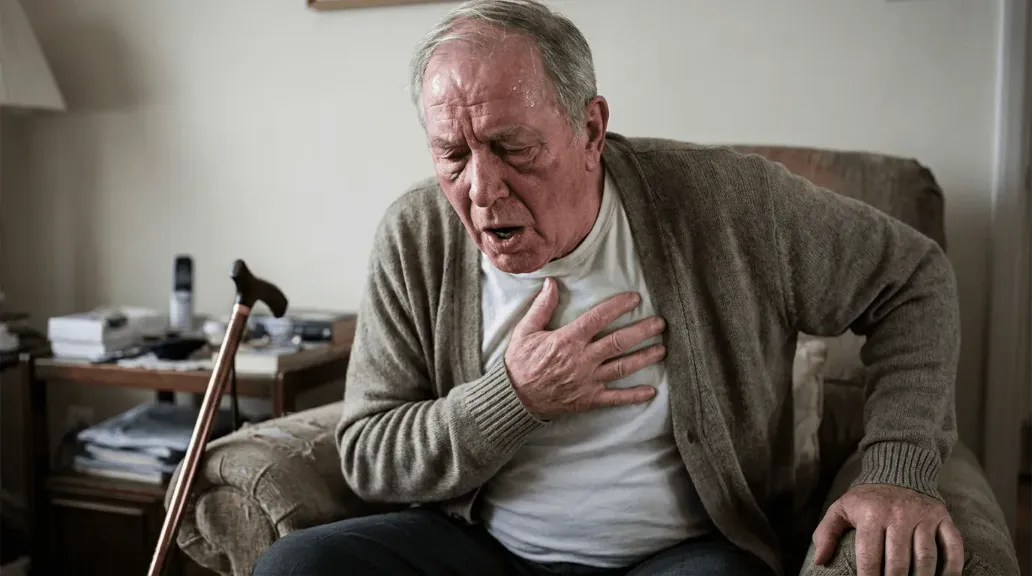
Discover proven COPD treatments: medications, inhalers, oxygen therapy, pulmonary rehab, and lifestyle changes. Learn how to manage symptoms, slow progression, and improve quality of life.
If you have COPD, your lungs may produce abnormal breath sounds such as wheezes (high-pitched whistling), crackles (popping or bubbling sounds), and rhonchi (low-pitched rumbling or snoring sounds). These changes often appear when your airways are irritated, narrowed, or filled with mucus.
Doctors listen for these sounds to understand what’s happening inside your lungs, how severe your symptoms are, and whether you need treatment adjustments or urgent medical care.
Read on to learn what each sound means, what causes it, and when to call your doctor or 911.
Abnormal breath sounds, also called adventitious sounds, are noises heard during breathing in that aren’t part of normal, healthy breath sounds.
Normally, air moves in and out of open airways as you breathe, producing a soft, smooth sound.
In COPD, inflammation, excess mucus, and airway narrowing disrupt this airflow, producing unusual noises as air struggles through tighter or partially blocked passages.
These sounds give your doctor important clues about your lung health.
Each sound—its timing, location, loudness, and quality—points to different airway problems and helps your provider understand whether you’re having a flare-up, how widespread the issue is, and whether your current treatment is working. They may also indicate complications like infection or fluid buildup. Your provider usually hears these sounds with a stethoscope, although some, like loud wheezes or rhonchi, may be noticeable without one.
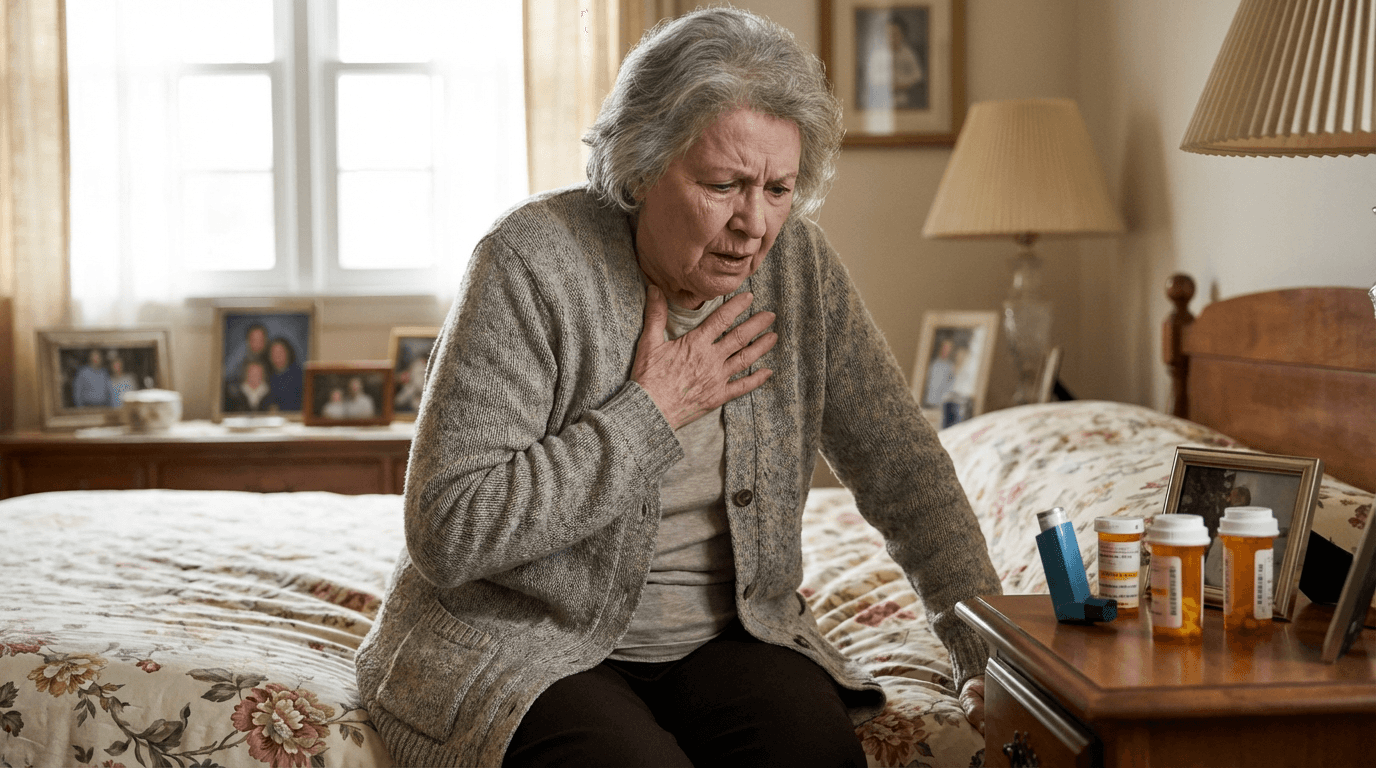
Wheezing is a high-pitched, continuous, musical whistling noise. People with COPD commonly notice wheezing during flare-ups, infections, or physical exertion.
Although most wheezes are louder during exhalation, they can also occur when breathing in or throughout the entire breathing cycle. Pronounced wheezing can sometimes be heard without a stethoscope.
A wheeze is a shrill, whistling, or squeaky sound similar to a flute or clarinet. Larger airways may produce coarser, honking tones, while smaller airways create higher-pitched musical notes.
Wheezing happens when air is forced through narrowed airways at high speed, causing the airway walls to vibrate. Narrowing can occur in the throat, bronchi, or deeper lung passages.
Common reasons for wheezing in COPD include:
Constricted airways (bronchospasm)
Thickened, and swollen airway walls
Excess mucus
Airway collapse
Triggers that can worsen wheezing include:
Cold air
Respiratory infections
Irritants like smoke, air pollution, or strong odors
Exercise or heavy activity
For someone with COPD, wheezing usually indicates increased airway narrowing or obstruction. This may signal:
An impending or active flare-up
Worsening airflow limitation
Need for treatment adjustments
Not all wheezing episodes require emergency care. Contact your doctor if wheezing is new, unexplained, different from your usual pattern, or doesn’t improve with your rescue inhaler. Seek medical care right away if wheezing is paired with:
blue lips or nails
severe shortness of breath
chest pain
confusion
symptoms that fail to improve with medication
Sudden wheezing with hives or throat tightness (possible allergic reaction)
If you have COPD, it’s helpful to work with your doctor for a COPY action plan that outlines your thresholds for seeking medical care, with a color-coded zone corresponding to symptom severity and appropriate actions.
Treatment focuses on opening the airways, reducing inflammation, and addressing the cause:
Short-acting bronchodilators (rescue inhalers)
Long-acting bronchodilators for maintenance
Inhaled or oral corticosteroids
Avoiding irritants
Antibiotics for infections
Treating other contributing conditions

Crackles, previously called rales, brief, intermittent popping sounds most often heard in the lower lungs, especially during inhalation. They’re typically loudest at the end of inspiration when small air sacs pop open.
Crackles can sound like:
Clicking or popping
Hair rubbed between the fingers
Velcro being pulled apart
Cellophane being crumpled
Types:
Fine crackles: soft, high-pitched, very brief
Coarse crackles: louder, lower-pitched, longer, and wet-sounding
Crackles from larger airways often appear early in inhalation. Those from smaller airways appear later.
In healthy lungs, small airways stay open because they’re well supported. Crackles form when the next inhalation forces shut or narrowed airways to suddenly pop open. Mechanisms include:
Loss of elastic recoil
Fluid or mucus in the air sacs
Airway inflammation and narrowing
Aside from confirming COPD, the presence of crackles may indicate:
A COPD flare-up with excess secretions
Bronchitis or pneumonia
Fluid buildup from heart failure
Advancing COPD (if persistent)
If you have crackles at baseline, new “rattling” in your chest where there were none before or your chest sounding “wet” may indicate pneumonia or bronchitis on top of COPD.
Seek emergency care if accompanied by:
severe breathing difficulty
extreme fatigue or confusion
swelling in the legs (may indicate a heart issue)
Treatment of crackles depends on the underlying cause:
Airway-clearance techniques (controlled coughing, chest physiotherapy, , positive expiratory pressure therapy devices)
Hydration, expectorants, and nebulized saline to thin mucus
Bronchodilators
Corticosteroids
Treatment for heart failure

Rhonchi are low-pitched, continuous rumbling or snoring sounds (>250 milliseconds) caused by airflow moving past mucus in larger airways. They typically occur during expiration, both inspiration and expiration, but never inspiration alone. They often change or clear after coughing because coughs temporarily move or loosen secretions.
You may hear rhonchi without a stethoscope when congestion is severe.
Rhonchi resemble deep bubbling or a wet snore. Some describe them as a low-pitched, coarse version of wheezing.
Rhonchi occur when mucus partially blocks the bronchi. They’re especially common in COPD patients with chronic bronchitis, where mucus production is high and airway-clearing mechanisms are less effective from years of smoking (smoker’s cough).
Hearing rhonchi suggests significant mucus buildup. Persistent rhonchi may indicate poor mucus clearance and the need for more aggressive airway-clearance techniques or medication adjustments.
Rhonchi don’t always require urgent care, but seek evaluation if you can’t clear the mucus, feel increasingly congested, or develop fever, worsening cough, or new shortness of breath.
If rhonchi is accompanied by any signs of respiratory distress like struggling to breathe, it may indicate dangerous airway obstruction and requires emergency.
Treatment focuses on clearing the airways and reducing mucus production:
Controlled or huff coughing
Mucolytics, hydration, inhaled saline
Chest physiotherapy
Corticosteroids
Antibiotics if infection is suspected
It can be confusing to distinguish these sounds. Below is a side-by-side comparison of the three sounds, summarizing their key characteristics and differences:
Characteristic | Wheezing | Crackles | Rhonchi |
Sound quality | High-pitched, musical, whistling | Clicking, popping, bubbling | Low-pitched, snoring, gurgling |
Timing | Usually exhaling, can occur on inhale if severe | Usually inspiratory | Can be inspiratory, expiratory, or both but never inspiratory alone |
Location | Small airways | Small or large airways; alveoli | Large airways |
Main cause | Narrowed airways | Airway collapse or mucus/fluid | Mucus in large airways |
Effect of coughing | Usually no change | Usually no change | Often clears or changes |
What it indicates | Airway obstruction, flare-ups | Fluid, infection, heart failure, advancing COPD | Significant mucus needing clearance |
Breathing difficulties in COPD can range from mild to life-threatening. Here’s how to know what to do.
Call 911 or go to ER immediately if you have:
New or worsening wheezing, crackles, or chest congestion.
More coughing or changes in mucus (thicker, darker, or bloody)
Severe shortness of breath or use your rescue inhaler more often.
Chest pain or pressure
Signs of infection (fever, chills, body aches with more cough/wheeze)
Breathing that keeps getting worse over several days
These are medical emergencies and require immediate care. Do not drive yourself. Have someone take you or call 911.
Severe shortness of breath or trouble speaking full sentences
Gasping for air
Blue or gray lips, tongue, or nails
Chest pain spreading to the arm, jaw, or back
Rapid heartbeat, dizziness, or fainting
Confusion or extreme drowsiness
New loud stridor (high-pitched noise when breathing in)
Coughing up large amounts of blood
Symptoms that don’t improve with rescue medication
These symptoms may signal a COPD flare or complication that needs prompt medical evaluation but not emergency care:
Gradual or subtle changes in breath sounds
Occasional wheezing with clear triggers
Seasonal breathing or mucus changes
Breath sounds that improve with treatment
Changes in exercise tolerance over time
Medication or technique questions
General questions about living with COPD, travel, or lifestyle adjustments
These issues aren’t urgent but should be brought up at your next routine appointment:
You can monitor your breathing at home to spot early changes before they become serious.
Audible wheezing
Vibrations or rattling in the chest
Changes in breathing patterns
A symptom diary is a simple yet powerful tool for managing COPD. It involves regularly recording specific details about your respiratory health.
Track:
Breathing status
Cough and mucus (color, thickness, amount)
When symptoms worsen
Rescue inhaler use (and other medications)
Patterns and triggers
It helps to bring a list of questions to your doctor or nurse practitioner so you can better understand your condition and care. Here are some you might want to ask:
“What do my lung sounds tell you about my COPD right now?”
“What should I listen for at home?”
“How can I better clear mucus from my chest?”
“When should breath sounds concern me?”
“Is my treatment working based on what you hear?”
“What specific symptoms should make me call 911?”
Can I hear my own COPD breath sounds?
Yes. Loud wheezing and some rhonchi can often be heard without a stethoscope, especially during flare-ups. Crackles usually cannot be heard without medical equipment. If you have early or well-controlled COPD, sounds may be too subtle for you to notice.
Do breath sounds mean my COPD is getting worse?
Not always. Sounds can change temporarily due to infections, triggers, or mucus. But new or worsening sounds, especially with more breathlessness or mucus changes, and even decreased breath sounds can signal an exacerbation and should be checked.
Will the sounds ever go away?
They can improve with treatment. Wheezing often responds to bronchodilators, and rhonchi may clear after coughing or airway-clearance. But some abnormal sounds may persist because COPD is a chronic disease.
Is wheezing always serious?
No; mild wheezing that improves with your rescue inhaler isn’t usually an emergency. But wheezing with trouble breathing, blue lips, or lack of response to medication is an emergency.
What does it mean if my breath sounds change?
Changes often mean something in your lungs has shifted, like inflammation, mucus buildup, or infection. If the change is new, persistent, or paired with fever, darker mucus, or harder breathing, contact your doctor within 24 hours.
Can anxiety cause these sounds?
No. Anxiety or panic can make you feel short of breath, but it doesn’t create wheezes, crackles, or rhonchi. Panic attacks involve rapid breathing and other sensations, but they do not constrict the airways.
Should I record my breathing sounds for my doctor?
Generally, no. Doctors rely on in-person exams and medical tools to assess your lungs. But recordings can be a helpful supplement for capturing intermittent sounds or symptoms that are hard to describe.
Do breath sounds correlate with oxygen levels?
No. You can have loud wheezing with normal oxygen or very quiet lungs with dangerously low oxygen. That’s why providers use both lung sounds and pulse oximetry to assess your status.
Wheezes, crackles, and rhonchi are common abnormal breath sounds in COPD, and each offers important clues about airway obstruction, mucus buildup, or inflammation. When you know what these sounds mean and keep an ear out for changes, it’s easier to catch flare-ups early and know when to reach out for help.
Paying attention to your breathing and knowing when to call your doctor or 911 helps you stay ahead of symptoms and feel more in control of your COPD.
American Lung Association. (n.d.). COPD Action Plan & Management Tools. https://www.lung.org/lung-health-diseases/lung-disease-lookup/copd/living-with-copd/copd-management-tools
American Lung Association. (2025). Breathing exercises. https://www.lung.org/lung-health-diseases/wellness/breathing-exercises
BMJ Open Respiratory Research. (2021). Inspiratory crackles-early and late-revisited: identifying COPD by crackle characteristics. https://pubmed.ncbi.nlm.nih.gov/33674283/
BMJ Best Practice. (n.d.). Acute exacerbation of chronic obstructive pulmonary disease. https://bestpractice.bmj.com/topics/en-gb/8/diagnosis-recommendations
COPD: Journal of Chronic Obstructive Pulmonary Disease. (2014). Computerized Respiratory Sounds in Patients with COPD: A Systematic Review. https://www.tandfonline.com/doi/full/10.3109/15412555.2014.908832
Encyclopedia of Respiratory Medicine. (2006). Crackle. https://www.sciencedirect.com/topics/medicine-and-dentistry/crackle
Expert Review of Respiratory Medicine. (2025). Lung auscultation – today and tomorrow- a narrative review. https://www.tandfonline.com/doi/full/10.1080/17476348.2025.2511223
MSD Manuals. (2025). Wheezing. https://www.msdmanuals.com/professional/pulmonary-disorders/symptoms-of-pulmonary-disorders/wheezing
National Library of Medicine. (2023). Lung Sounds. https://www.ncbi.nlm.nih.gov/books/NBK537253/
National Heart, Lung, and Blood Institute. (2024). COPD Symptoms. https://www.nhlbi.nih.gov/health/copd/symptoms
Related Articles