COPD Treatment & Medications
Dec 16, 2025
COPD Treatment & Medications
By:
George

Discover proven COPD treatments: medications, inhalers, oxygen therapy, pulmonary rehab, and lifestyle changes. Learn how to manage symptoms, slow progression, and improve quality of life.
If you’ve been diagnosed with chronic obstructive pulmonary disease (COPD), you have options.
While there is no cure for COPD, these evidence-based strategies can slow its progression, ease symptoms, and preserve and sometimes restore quality of life, helping you to breathe easier while living with COPD. Treatment is also essential to lower the risk of other conditions like heart disease and lung cancer. The keys include a personalized plan, crafted with your doctor based on your disease stage, symptom severity, and overall health, that puts you in control of a fuller, more vibrant future.
The four pillars of COPD treatment are: Medications, Rehab, Oxygen, and Surgery.
Today’s COPD care combines four proven107 approaches that work together to ease symptoms, slow progression, and help you stay active:
Medications (especially inhalers): the daily foundation for keeping airways open and reducing inflammation
Pulmonary rehabilitation: a personalized exercise and education plan created by clinicians to build strength and stamina
Oxygen therapy: for people whose blood-oxygen levels drop too low
Surgery or advanced procedures: reserved for select patients with severe disease
In the following sections, this guide will take you through each of these pillars in detail, focusing on how to make them work to support your health in real life, along with explanations about how your doctor decides which ones are right for you.
Treatment follows a clear, three-part mission focused on easing current symptoms, minimizing progression and flare ups, and improving your quality of life:
Ease symptoms today
Medications and therapies quickly relieve shortness of breath, coughing, and wheezing to make every breath feel less labored.
Manage the disease long-term
Daily habits, medications, and monitoring slow the disease’s advance, prevent flare-ups, treat them fast when they occur, and lower the risk of serious complications like respiratory failure or heart strain.
Support your daily function
Through pulmonary rehabilitation and exercise, you build stamina, boost exercise tolerance, and maintain the quality of life that matters most—staying independent and connected to what you enjoy doing.
To meet these three goals, no single option can do it all. Your care team may treat your COPD more than one way, and they may change treatments over time. They’ll build your plan around your breathing challenges, your everyday routines, and how you’re responding over time. As your needs change, your care team will fine tune your plan to keep you as healthy as possible while meeting ongoing challenges.
There are many approved treatments for COPD, and they vary in both how you take them and how they work in the body. This means you have many options, and it allows your doctor to adjust your treatment regimen over time as your needs change.
You are not alone if all the medication names and options feel overwhelming. To understand the options available to you, it helps to think of them in terms of how you take them (oral or inhaled) and whether they help open airways or ease inflammation. Here’s a simple table:
What they do | How they are taken | |
|---|---|---|
Inhaled | Oral | |
Open airways (broncho-dilators) |
|
|
Reduce inflammation |
|
|
When you read about inhalers, you may see terms like SABA, SAMA, LABA, and LAMA. These are just abbreviations for different types of breathing medicines. Here’s what they mean in plain language:
SABA (short-acting beta-agonist) and SAMA (short-acting muscarinic antagonist):
These are quick-acting rescue inhalers that open your airways within minutes during sudden symptoms.
LABA (long-acting beta-agonist) and LAMA (long-acting muscarinic antagonist):
These are daily, long-acting inhalers that help keep your airways open and reduce the risk of flare-ups.
These bronchodilators relax your airway muscles to make breathing easier. Use short-acting rescue inhalers for fast relief when you are having trouble breathing.
Names you’ll see: ProAir HFA (albuterol sulfate) (SABA), Atrovent HFA (ipratropium) (SAMA), or the combination DuoNeb®
When to use: sudden shortness of breath, wheezing, or tightness
How fast they work: within minutes
How long they work: 4–6 hours
Long-acting bronchodilators prevent symptoms before they start rather than providing immediate relief. It is important that you follow your doctor’s instructions for when and how to take inhaled maintenance medications.
Names you’ll see: Perforomist (formoterol fumarate) , Serevent (salmeterol) (LABA); Spiriva® (tiotropium bromide inhalation powder), Incruse Ellipta (umeclidinium) (LAMA)
When to use: every day, even on good days when you’re not having breathing problems
How fast they work: you may not notice their effect immediately
How long they work: around the clock
Your doctor may add an inhaled corticosteroid to your treatment regimen if you have moderate to severe COPD with multiple flare-ups a year. Inhaled corticosteroids work to ease coughing and other symptoms caused by inflammation, irritation and swelling inside the airways. Your doctor may prescribe corticosteroids in combination with a long-acting maintenance inhaler as described below. Corticosteroids may cause white patches in the mouth called thrush and a hoarse voice.
Names: fluticasone, budesonide
When to use: use as directed by your doctor
How fast they work: you may not notice their effect immediately as they reduce inflammation over time
How long they work: around the clock
A single inhaler can combine multiple medications. This can make treatment simpler, help you stay on track, and give more complete symptom control. Examples include these combinations:
Anoro Ellipta (umeclidinium) + Stiolto (tiotropium bromide and olodaterol)
(LABA + LAMA)
Advair (fluticasone propionate/salmeterol) + Symbicort (budesonide/formoterol fumarate) (LABA + ICS)
Trelegy (fluticasone furoate/umeclidinium/vilanterol) (LABA + LAMA + ICS)
Some COPD medicines come as pills instead of inhalers. Your doctor may add these if you have more severe symptoms or frequent flare-ups. Roflumilast (daliresp) can help if you have severe COPD with chronic bronchitis by lowering airway inflammation and reducing flare-ups. Short courses of oral steroids can calm swelling during a flare-up so you can breathe more comfortably. If a flare-up comes from an infection or if your doctor wants to prevent an infection, oral antibiotics may be right for you. As with all medications, it is important to continue taking them as directed even after you begin to feel better.
Mucolytics can thin and loosen mucus if it’s hard for you to clear your airways. Theophylline is an older bronchodilator that some people still use when newer options aren’t enough. You may also hear about emerging biologic treatments, which target specific types of inflammation and may be an option for certain patients as research continues.
Many people living with COPD—as many as 70%—don’t get the full dose simply because the technique is tricky. Ask your doctor, nurse, or pharmacist to show you exactly how to use your inhaler, and don’t hesitate to ask again if you switch to a new device. If inhalers feel hard to coordinate, spacers or even nebulizers can make it easier to get the medicine into your lungs. Bring your inhaler to your regular appointments so your care team can review your technique and keep you on track.
Even with medication, some people living with COPD need extra oxygen to keep their levels in a healthy range. Your doctor will check your oxygen with simple tests, such as a pulse oximeter on your finger or a blood gas test, to see if oxygen therapy makes sense for you.
You may qualify if your oxygen level drops below 88–90%, whether that happens during activity, during sleep, or throughout the day.
If you need oxygen, you can choose from options that fit your routines:
Oxygen concentrators pull oxygen from the air around you. Home units stay in one place, and portable concentrators let you move around more easily. They don’t need refills.
Compressed oxygen tanks come in different sizes for home use or going out. These do need refills or deliveries.
Liquid oxygen holds more oxygen in a smaller, lighter container. It slowly evaporates, so you refill it on a schedule.
How you receive oxygen
Most people use a nasal cannula, a small tube with soft prongs that sit in your nose. Some people use a face mask when they need a higher flow of oxygen. A few use transtracheal oxygen, which delivers oxygen through a small opening in the neck.
Benefits
Many people notice clear benefits when they start oxygen therapy. It can reduce shortness of breath, help you walk farther, and improve your sleep quality. For those who qualify, oxygen may also prolong life, improve mental clarity, and put less strain on your heart.
Oxygen Safety: What You Need to Know
Know your flow rate. Your flow rate is the exact amount of oxygen your doctor wants you to receive each minute, measured in liters per minute (L/min).
Use only the flow rate your doctor prescribes. More is not better. Taking more oxygen than prescribed will not help you breathe easier and can be harmful.
Keep oxygen away from flames, cigarettes, and sparks. Concentrated oxygen is flammable. While using oxygen, stay clear of heat sources like gas stoves, ovens, candles, fireplaces, space heaters, and smoking materials. Never smoke or sit near anyone who is smoking while using oxygen.
Plan ahead if you travel. Make sure you have enough battery life, tubing, and refills, and check airline or bus rules early so you know what equipment is allowed.
Use oxygen exactly when your doctor recommends. Some people need it only during activity, some during sleep, and some all day. Follow your doctor’s instructions to your oxygen levels in a safe range.
Oxygen is not addictive. It will not make your lungs lazy.
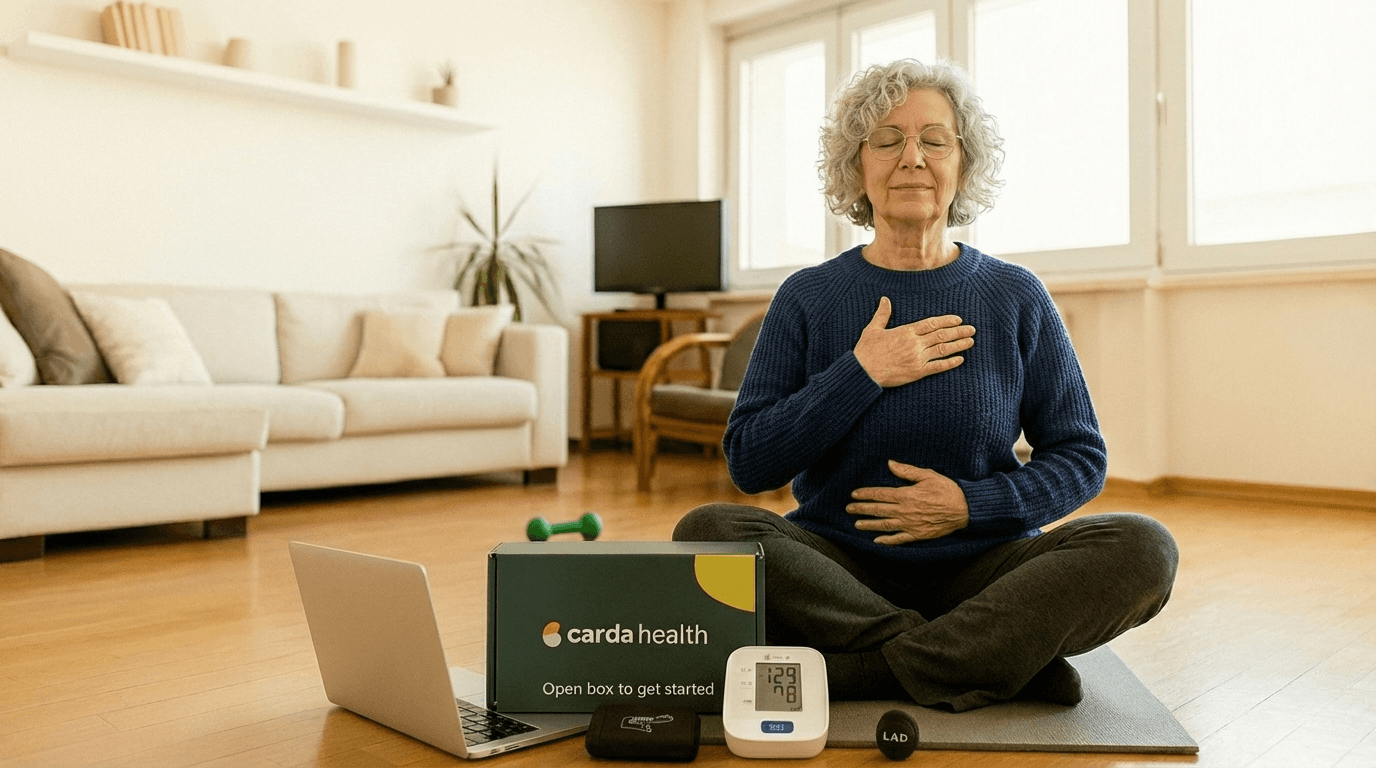
Pulmonary rehabilitation is a structured program that helps you build strength, breathe more comfortably, and stay active with COPD. It combines exercise, education, and support, all under the guidance of trained healthcare professionals. Most programs meet 2–3 times a week for about 6–12 weeks.
You’ll follow an exercise plan tailored to your abilities. This usually includes:
Aerobic exercises like walking or cycling to build stamina
Strength training for major muscle groups
Breathing exercises that train the muscles you use to breathe
Flexibility work to help your body move more easily
You’ll also join education sessions that teach you practical skills, such as understanding COPD, managing your medications, using breathing techniques, conserving energy, choosing supportive foods, and coping with stress or difficult symptoms.
Nutrition is another key part of rehab. You may meet with a nutrition specialist who will help you:
Maintain healthy weight
Prevent or address poor nutrition
Choose foods that support easier breathing
Many people notice meaningful improvements after completing a program. Pulmonary rehab can:
Reduce shortness of breath
Increase your ability to exercise
Improve your overall quality of life
Lower your chance of hospital visits
Boost your mood and emotional well-being
Build your confidence in managing COPD day to day
You’ll need a referral from your doctor to get started. Rehab programs take place in hospitals, outpatient centers, and some community clinics. Insurance often helps cover the cost, and many programs now offer virtual sessions so you can participate from home.

Medical treatments play a major role in COPD care for those living with COPD, but the choices you make every day also help protect your lungs, conserve your energy, and keep you as active as possible. These steps give you practical ways to support your treatment plan and stay engaged in your own care.
If you smoke, quitting is the single most important step you can take. Stopping smoking slows the progression of COPD at any stage, even if you have lived with the disease for many years. You do not need to quit on your own. Many people succeed at quitting smoking with a combination of counseling, support programs, and medications such as varenicline, bupropion, or nicotine replacement therapy. Your healthcare team can connect you with tools that match your needs and preferences to help you quit smoking.
Even though moving may feel difficult at times, regular physical activity strengthens your muscles, improves stamina, and helps you manage breathlessness. Start slowly and increase your activity at a comfortable pace. Many people with COPD do well with low-impact activities such as walking, indoor cycling, gentle strength training, and stretching. Your healthcare team can guide you on what is safe for you and how to exercise in a way that respects your limits.
Your body uses more energy when your breathing muscles work hard. A balanced diet supports your strength and helps you maintain a healthy weight. Smaller, more frequent meals may make breathing easier by reducing pressure on your diaphragm. Foods rich in lean protein, whole grains, fruits, and vegetables help your body stay nourished, while staying hydrated supports thinner mucus and easier airway clearance.
Many people find that certain conditions in the environment make their symptoms worse. You can lower your exposure by monitoring the air quality index, keeping indoor air clean with good ventilation or filters, avoiding extreme heat or cold, and limiting time in crowded indoor spaces during flu season. Small adjustments like these help you prevent unnecessary flare-ups.
Infections can worsen COPD symptoms and lead to serious complications. Staying up to date with recommended vaccines helps protect your lungs. These include the annual flu shot, pneumonia vaccines, COVID-19 vaccines, the RSV vaccine if you are eligible, and the Tdap vaccine to prevent whooping cough. Your doctor can review what you need based on age, health status, and vaccination history.
Anxiety can make breathing feel harder, and shortness of breath can increase anxiety in return. Learning ways to manage stress can break this cycle. Techniques such as paced breathing, guided relaxation, or mindfulness may help calm your body. Many people also benefit from support groups, counseling, or mental health care. Reaching out is a sign of strength, and it can make your daily routines easier.
Most people with COPD manage their symptoms with medications, pulmonary rehabilitation, and lifestyle changes. However, a small number of individuals with severe disease may benefit from procedures that physically remove, shrink, or bypass the most damaged areas of the lung. These options are not for everyone, but they can offer meaningful improvements for carefully selected patients.
Your healthcare team may discuss these procedures if you have severe COPD despite optimal medical treatment, if your imaging shows specific patterns of lung damage, and if you are healthy enough overall to tolerate the procedure. A comprehensive evaluation is always required to determine whether the potential benefits outweigh the risks.
In some people with emphysema, large air sacs called bullae form in the lungs. These bullae trap air and compress the healthier lung tissue around them. A bullectomy removes these enlarged air pockets so that the surrounding lung has more room to expand and work more effectively. This option is considered for individuals with very large bullae that cause significant symptoms.
LVRS removes the most damaged portions of the lung. By reducing the volume of nonfunctioning tissue, the healthier areas are able to work more efficiently, which can improve breathing comfort and exercise capacity. Because this is a major surgery with a significant recovery period, patient selection is extremely important. Not everyone is a candidate, and the decision requires careful discussion with a specialized team.
This minimally invasive option offers an alternative for some patients who are not candidates for surgery. Through a bronchoscopy procedure, a doctor places tiny one-way valves in the airways of the most damaged lung segments. These valves allow trapped air to escape and help the area collapse, giving healthier lung tissue more room to function. Recovery is usually faster than with surgery. This approach is appropriate only for individuals with specific emphysema patterns confirmed by imaging and lung tests.
For a small group of people with advanced COPD, a lung transplant may become an option. A transplant can significantly improve quality of life, but it involves a complex evaluation process, strict age and health requirements, and lifelong immunosuppressive medication. Organ availability can also limit eligibility. If your doctor believes you may qualify, you will be referred to a specialized transplant center for further assessment.
Every surgical or interventional option carries risks, including infection, complications related to anesthesia, and varying recovery times. Your team will talk with you honestly about what to expect and whether the likely benefits align with your health goals. These procedures help certain individuals, but they are not suitable for everyone, and they are never the first step in COPD treatment.
Researchers are working to expand the options available for COPD. These treatments are not part of routine care at this time, but it may help to understand what is under study and what to approach with caution.
Scientists are studying whether stem cells can repair damaged lung tissue, but current evidence does not show clear benefit in COPD. Many clinics advertise stem cell treatments that are unproven, costly, and sometimes unsafe. If you see these offers, discuss them with your doctor before considering them. Participation in a regulated clinical trial is the safest way to explore any emerging therapy.
Biologic medications target very specific pathways in the immune system. They have changed care for several other lung diseases, and researchers are studying whether they can help certain individuals with COPD. Clinical trials are underway, and your doctor can tell you if you meet the criteria for any ongoing research.
Several new types of medicines are being evaluated to see whether they can reduce inflammation, improve symptoms, or lower the risk of flare-ups. These studies take time, and results must be carefully reviewed before any new therapy becomes available to the public.
Gene therapy is an area of active research for alpha-1 antitrypsin deficiency, a genetic condition that can lead to COPD. While early studies are promising, gene therapy is not yet a routine treatment. Future advances may offer more options, but more research is needed.
COPD care is most effective when it is tailored to your needs, your goals, and your daily routines. Your plan will evolve over time as your health changes, and your healthcare team will help guide you every step of the way.
Your care may involve several professionals, each with a specific role. A pulmonologist manages your lung health, while your primary care doctor oversees your overall medical care. Respiratory therapists help you learn inhaler techniques and breathing strategies. A pharmacist can answer questions about medications, and rehabilitation specialists support your progress during pulmonary rehab. Together, they help you build a plan that fits your life.
Doctors classify COPD as mild, moderate, severe, or very severe based on symptoms and lung function. As the stage changes, the treatment plan changes as well.
Mild COPD: Treatment usually focuses on smoking cessation, vaccinations, and an appropriate inhaler.
Moderate COPD: You may add long-acting inhalers and pulmonary rehabilitation.
Severe COPD: The plan may include multiple inhalers, oxygen therapy, and additional support.
Very severe COPD: Your team considers all available options, including advanced therapies, to maintain your comfort and quality of life.
Your stage helps guide treatment, but your daily symptoms and personal goals matter just as much.
Regular check-ins allow your team to follow your progress and adjust your plan when needed. Monitoring may include:
Spirometry to measure lung function
Tracking symptoms such as cough, breathlessness, and activity limits
Checking oxygen levels at rest and during activity
Adjusting medications based on how you are doing
Your action plan helps you recognize early signs of a flare-up and respond quickly. It usually includes:
Your daily maintenance medications
A clear rescue plan if symptoms suddenly worsen
Guidance on when to contact your doctor or seek urgent care
An action plan gives you confidence and helps prevent small issues from becoming emergencies.
Appointments are an opportunity to share what is working well and what feels challenging. Important topics include:
Any changes in symptoms
Side effects from medications
Your treatment goals
How COPD affects your quality of life
Any new treatment options you want to learn about
Open communication helps your care team tailor your plan so that it remains effective and realistic.
Managing COPD often involves medications, equipment, and ongoing care. Understanding coverage options can help reduce stress and support adherence.
Ask your doctor or pharmacist whether a generic is available, as it may lower your costs. Many pharmaceutical companies offer patient assistance programs, and your insurance plan may offer savings through mail-order pharmacies.
Medicare and many private insurance plans cover pulmonary rehabilitation, but programs sometimes require documentation of lung function and symptoms. Your healthcare team can help you gather what you need to qualify.
Insurance often covers oxygen, but the details vary. Plans may differ on whether they cover rental versus purchase, and how they handle portable oxygen for travel. Ask your oxygen supplier and insurance representative for specific guidance.
If costs become a barrier, several organizations offer support. These may include pharmaceutical company programs, national non-profit foundations, and state-based assistance programs. Your healthcare team or social worker can help connect you to available resources.
Here is a set of patient-friendly answers to the questions on the outline. These are concise and calm, without overpromising.
Can COPD be cured?
There is no cure for COPD, but treatments can slow progression, reduce symptoms, and support a more active daily life.
What is the best medication for COPD?
There is no single best medication. Your doctor will choose medicines based on your symptoms, test results, and treatment goals.
Do I need to take medications if I feel fine?
Yes. Many COPD medications work in the background to prevent symptoms and flare-ups. Staying consistent keeps your lungs safer.
Is oxygen therapy forever?
Not always. Some people need oxygen only during activity or sleep. Your doctor will reassess your needs over time.
Will I become dependent on oxygen?
No. Oxygen is not addictive and does not make your lungs weaker. It supports your body when levels are low.
How do I know if my treatment is working?
You may feel less breathless, more active, or more confident during daily tasks. Your doctor also checks lung tests and oxygen levels.
Can I stop treatment if I feel better?
Not without talking to your doctor. Stopping medications suddenly can lead to a flare-up.
What if medications are not helping?
Tell your doctor. Your plan may need an adjustment, or you may benefit from additional treatments such as pulmonary rehabilitation or oxygen therapy.
Is surgery worth the risk?
Surgery helps a small number of people with very advanced disease, but it carries risks. Your team will help you weigh benefits and concerns.
Are there natural treatments for COPD?
Some lifestyle steps, such as exercise, breathing techniques, and nutrition, support your care. However, no natural remedy replaces medical treatment.
How often should I see my doctor?
Most people benefit from regular check-ins several times a year, with more frequent visits if symptoms change.
COPD treatment works best when it is comprehensive and personalized. Although COPD is a chronic condition, effective management is possible, and many people live active and meaningful lives with the right support. Staying consistent with your medications, following your action plan, and working closely with your healthcare team helps protect your lungs and maintain your quality of life.
Your care is a partnership. Open communication, regular check-ins, and a proactive approach help ensure that your plan continues to meet your needs. If you have questions or want to explore additional options, talk with your doctor about how to optimize your treatment plan.
AstraZeneca Pharmaceuticals LP. Daliresp (roflumilast) tablets prescribing information. Revised January 2018.
AstraZeneca Pharmaceuticals LP. Symbicort (budesonide/formoterol fumarate dihydrate) inhalation aerosol prescribing information. Revised June 2010.
Boehringer Ingelheim Pharmaceuticals, Inc. Atrovent HFA (ipratropium bromide HFA) inhalation aerosol prescribing information. Revised January 23, 2006.
Boehringer Ingelheim Pharmaceuticals, Inc. Spiriva HandiHaler (tiotropium bromide inhalation powder) prescribing information. Revised December 2009.
Boehringer Ingelheim Pharmaceuticals, Inc. Stiolto Respimat (tiotropium bromide and olodaterol) inhalation spray prescribing information. Revised October 2018.
Celli BR, Wedzicha JA. Update on clinical aspects of chronic obstructive pulmonary disease. N Engl J Med. 2019;381(13):1257-1266. doi:10.1056/NEJMra1904906
Dey L.P. DuoNeb (ipratropium bromide 0.5 mg/albuterol sulfate 3 mg) inhalation solution prescribing information. Revised February 2011.
GlaxoSmithKline. Advair Diskus (fluticasone propionate/salmeterol inhalation powder) prescribing information. Revised April 2008. Accessed November 16, 2025.
GlaxoSmithKline. Anoro Ellipta (umeclidinium 62.5 µg/vilanterol 25 µg inhalation powder) prescribing information. Revised June 2023.
GlaxoSmithKline. Flovent HFA (fluticasone propionate) inhalation aerosol prescribing information. Revised November 2010
GlaxoSmithKline. Fluticasone propionate inhalation powder prescribing information. Revised June 2020.
GlaxoSmithKline. Incruse Ellipta (umeclidinium inhalation powder) prescribing information. June 2019.
GlaxoSmithKline. Serevent inhalation aerosol (salmeterol xinafoate) prescribing information. Revised April 2003.
GlaxoSmithKline. Trelegy Ellipta (fluticasone furoate/umeclidinium/vilanterol) inhalation powder prescribing information. Revised September 2020.
Mylan Specialty L.P. Perforomist (formoterol fumarate) inhalation solution prescribing information. Revised May 2010.
National Center for Biotechnology Information (2025). PubChem Compound Summary for CID 2153, Theophylline. Retrieved November 17, 2025 from https://pubchem.ncbi.nlm.nih.gov/compound/Theophylline.
Roque A, Taborda-Barata L, Cruz ÁA, Viegi G, Maricoto T. COPD treatment – a conceptual review based on critical endpoints. Pulmonology. 2023;29(5):410-420. doi:10.1016/j.pulmoe.2023.02.015.
Sanchis J, Gich I, Pedersen S, et al. Systematic review of errors in inhaler use: Has patient technique improved over time? Chest. 2016;150(2):394-406. doi:10.1016/j.chest.2016.03.041.
Teva Respiratory, LLC. ProAir HFA (albuterol sulfate) inhalation aerosol prescribing information. Revised February 2019.
Vogelmeier CF, Criner GJ, Martinez FJ, et al. Global Initiative for Chronic Obstructive Lung Disease 2025 Report. Global Initiative for Chronic Obstructive Lung Disease; 2025. Accessed November 16, 2025. https://goldcopd.org/2025-gold-report/
Related Articles